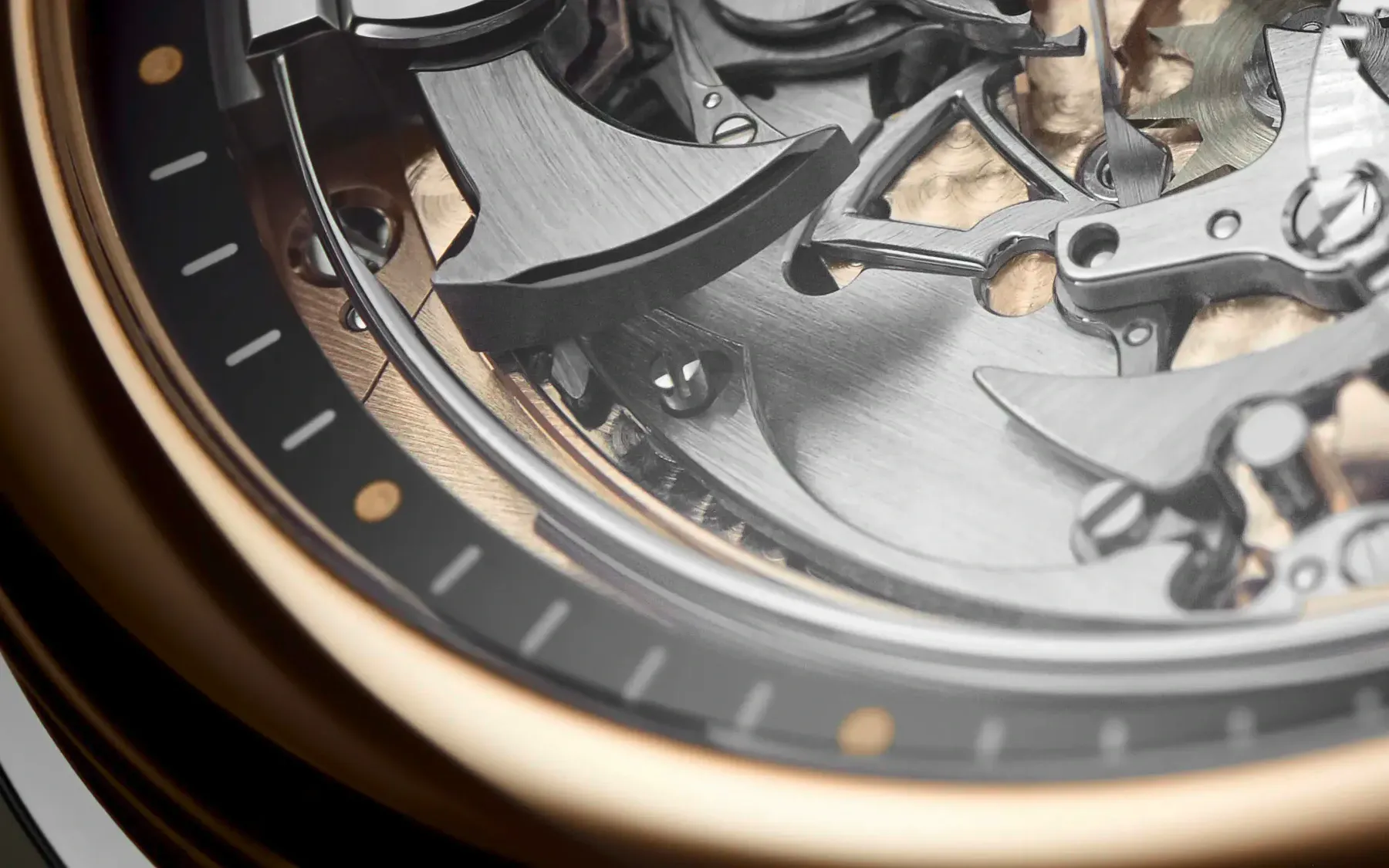
The watch that tells the time in the dark
A minute repeater builds a complete time from two notes. We follow how the movement reads the hands and turns a wristwatch into a tiny musical instrument.
Read the story03 / Movement
The mechanics under the dial, one piece at a time: escapement, chronograph, GMT, hairspring.
A minute repeater builds a complete time from two notes. We follow how the movement reads the hands and turns a wristwatch into a tiny musical instrument.
Read the story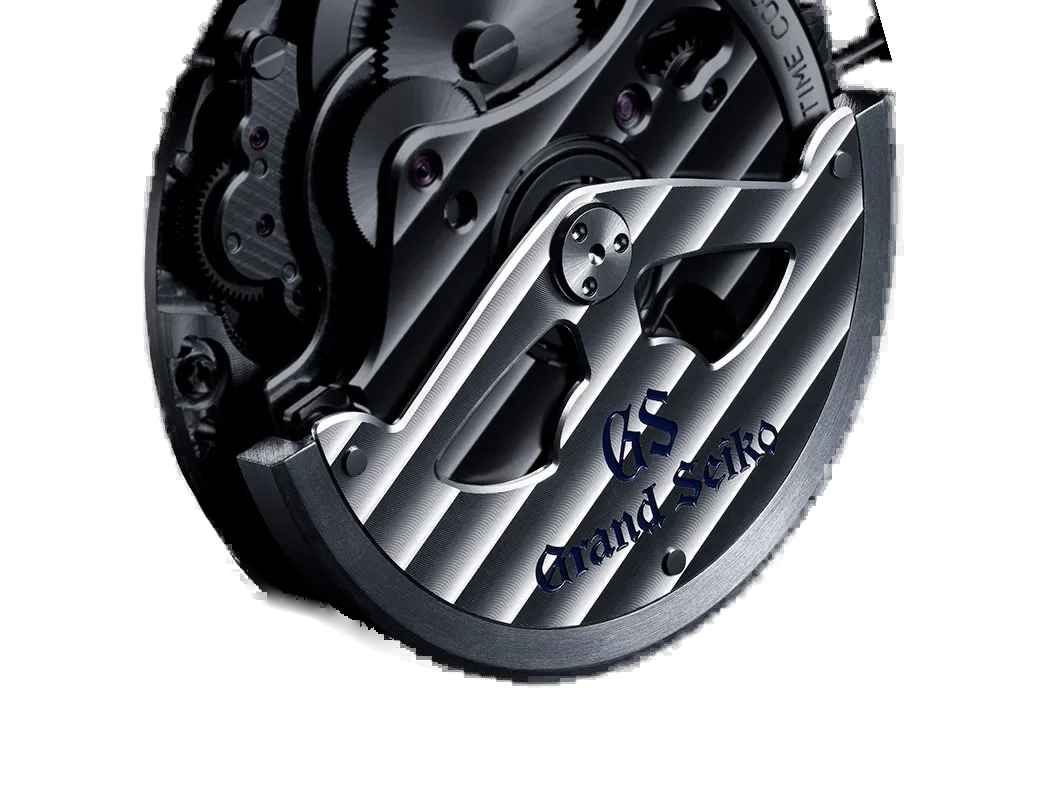
An automatic rotor does not generate energy. It collects motion from the wrist. Here is how that motion reaches the mainspring, and what happens when the watch is full.
Read the story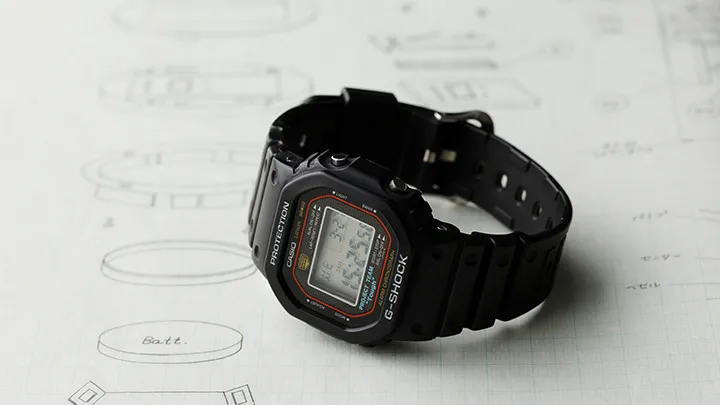
A G-Shock is not simply a quartz watch wrapped in thick plastic. Its case shape, hollow interior and cushioned module work together to redirect an impact.
Read the story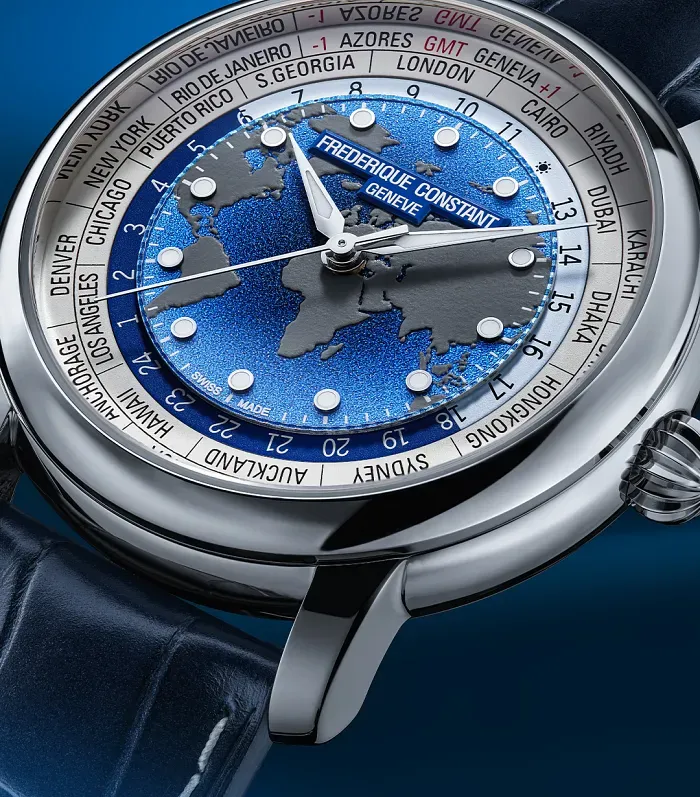
There was a time when every town kept its own hour. Then the trains arrived and order had to be imposed. And a Geneva watchmaker worked out how a single dial could show all twenty-four zones.
Read the story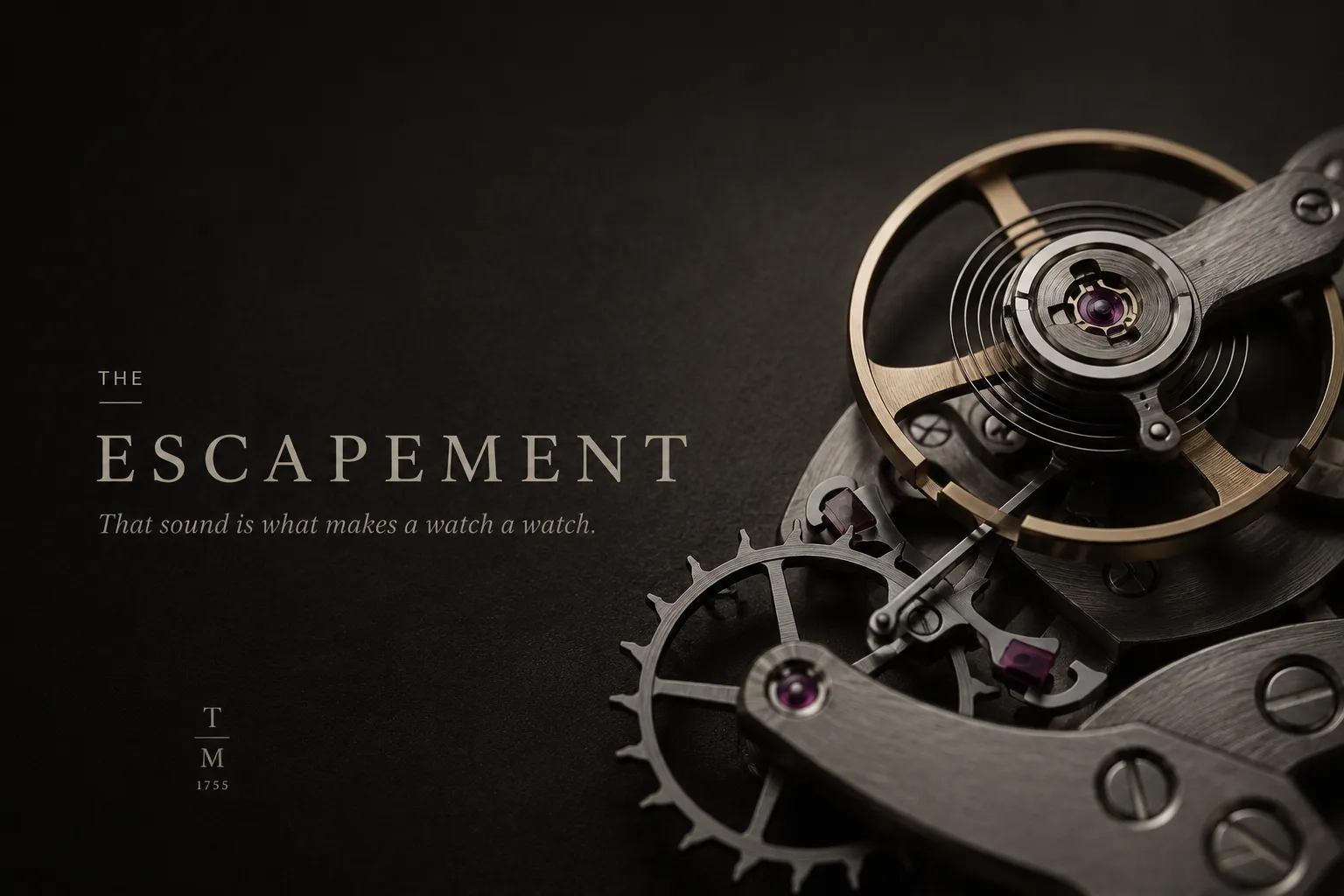
The real trick of a mechanical watch is not that it runs, but that it runs slowly. The whole job is done by a cluster of parts the size of a fingernail, saying yes and no eight times a second.
Read the story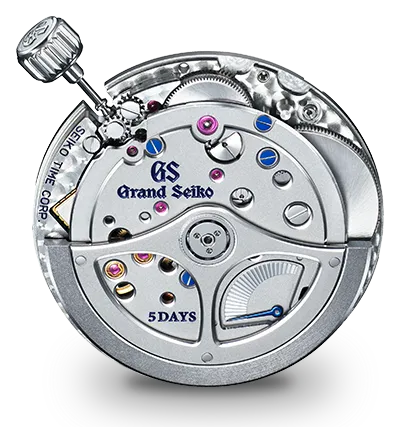
There is a watch with no battery, yet a quartz crystal inside. It has no escapement, yet a mainspring drives it, and its seconds hand glides perfectly. This is Spring Drive, and it took one engineer 28 years.
Read the story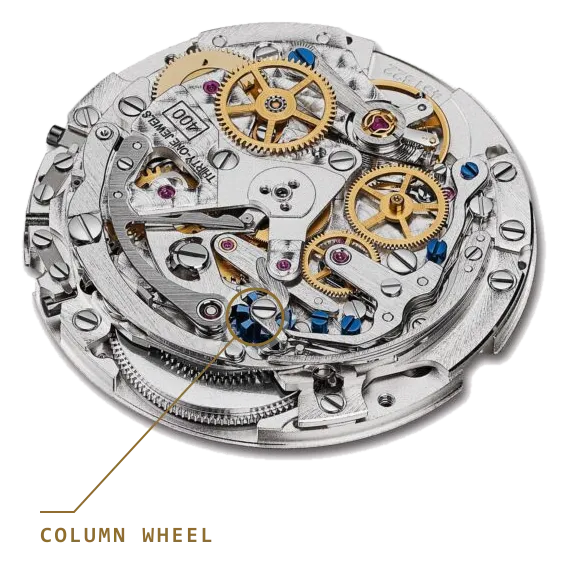
From the outside a chronograph is simple: press it, it runs; press it, it stops. Inside, though, something has to sequence all of that precisely. The finest solution is a tiny, turret-like wheel.
Read the storyTry another phrase, or explore every section.