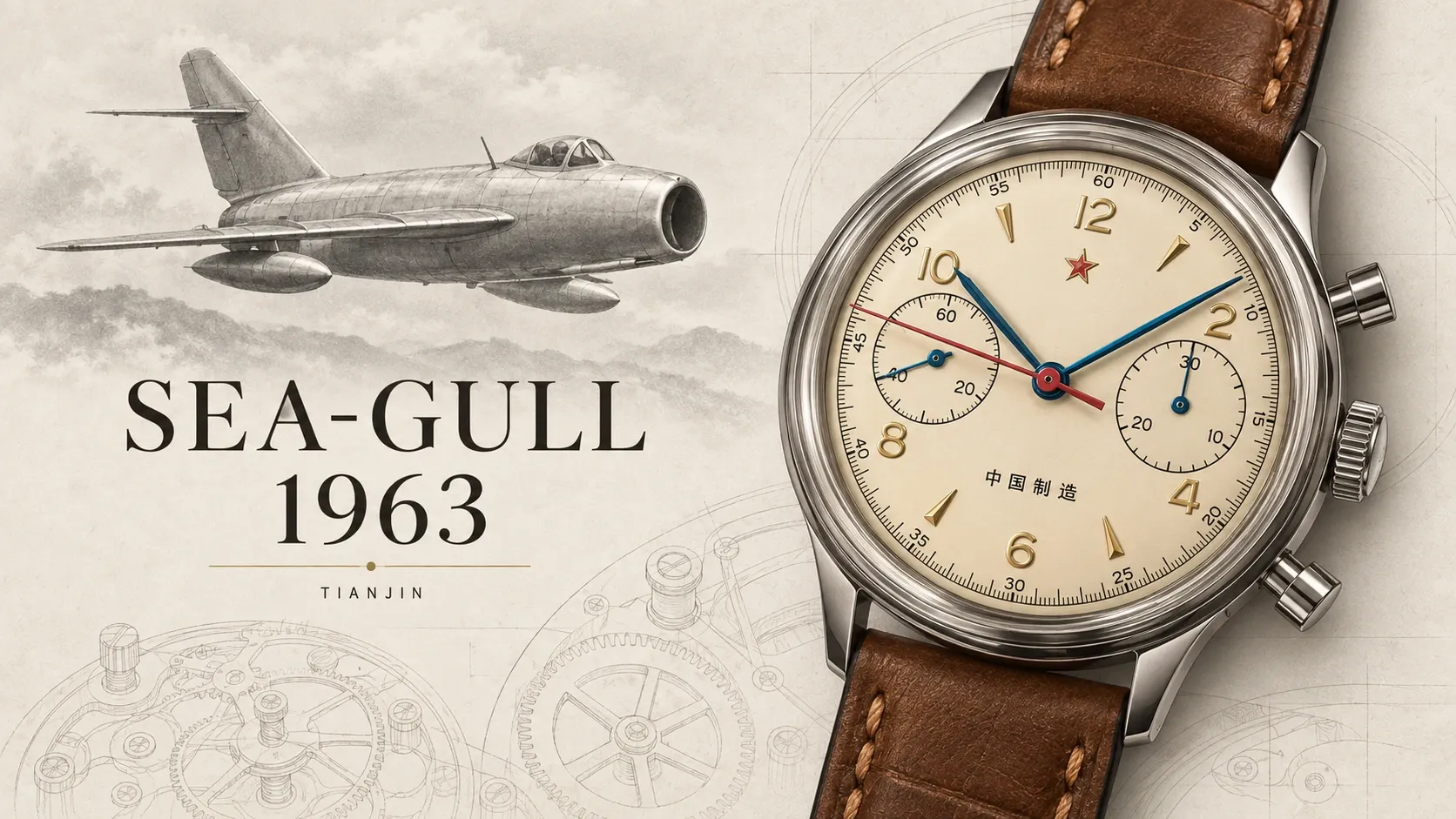
The pilot's watch named after a year
A red star, blue hands and a Chinese chronograph with Swiss ancestry. The Sea-Gull 1963 has a more interesting story than its price tag suggests.
Read the storyAll stories
A growing collection of stories. A way into every one.
A red star, blue hands and a Chinese chronograph with Swiss ancestry. The Sea-Gull 1963 has a more interesting story than its price tag suggests.
Read the story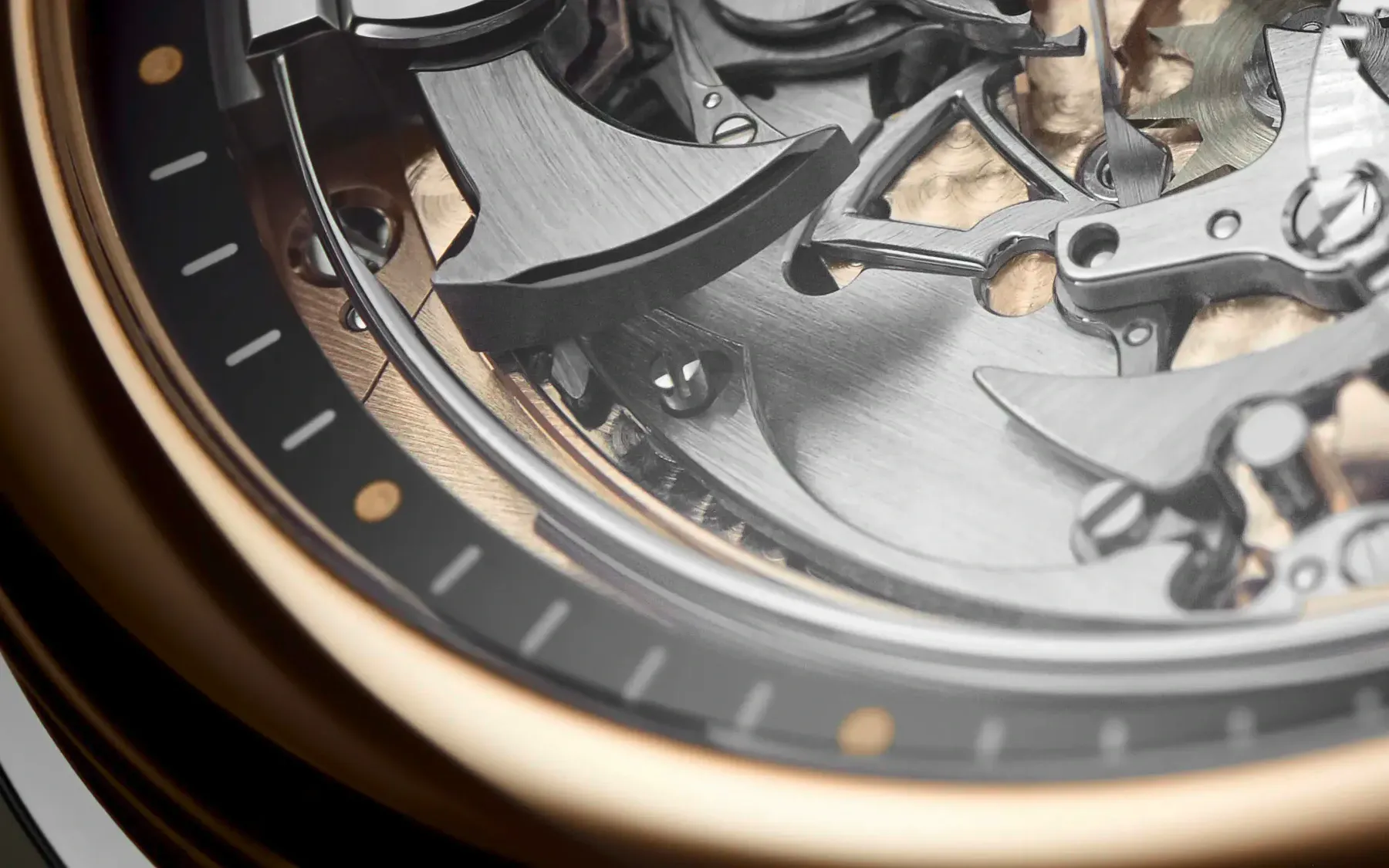
A minute repeater builds a complete time from two notes. We follow how the movement reads the hands and turns a wristwatch into a tiny musical instrument.
Read the story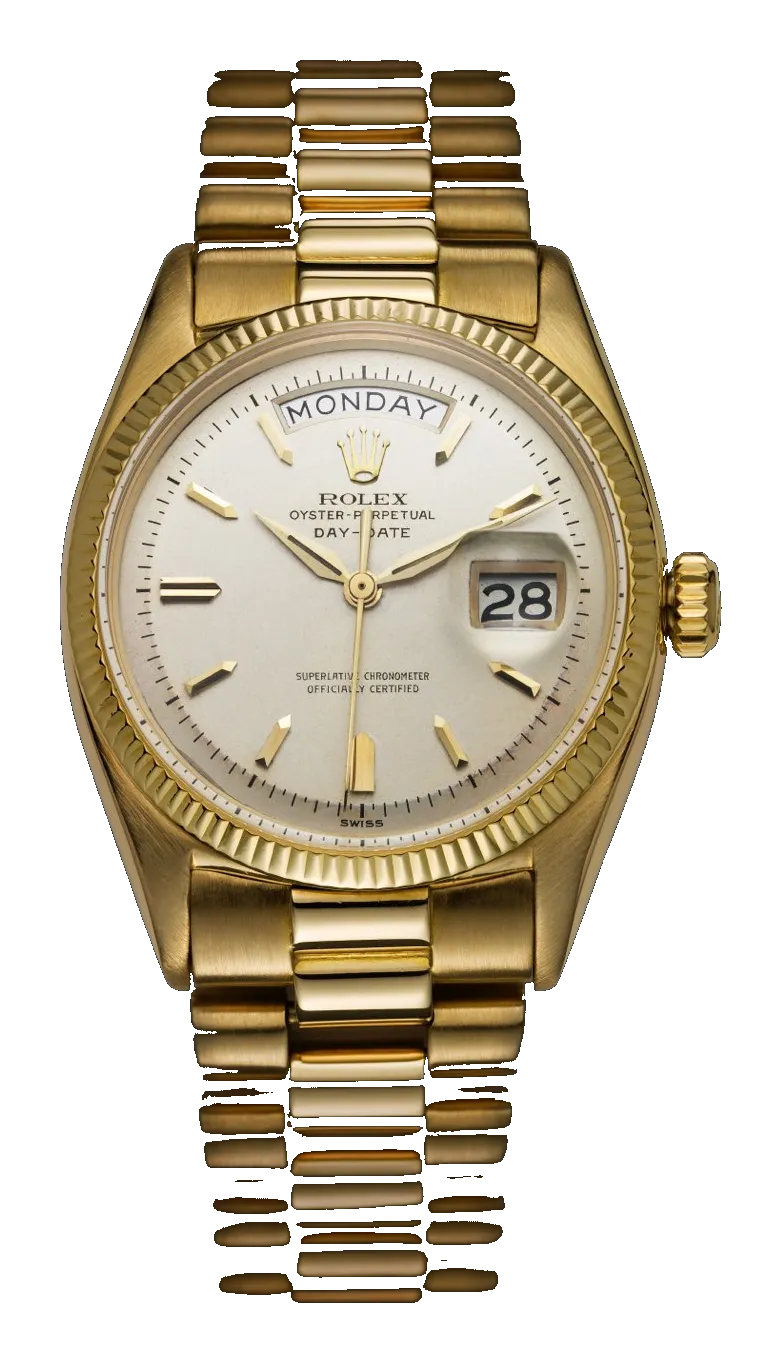
Eisenhower wore a gold Rolex, but it was not a Day-Date. Lyndon B. Johnson, a distinctive bracelet and carefully framed advertising turned the model into the President.
Read the story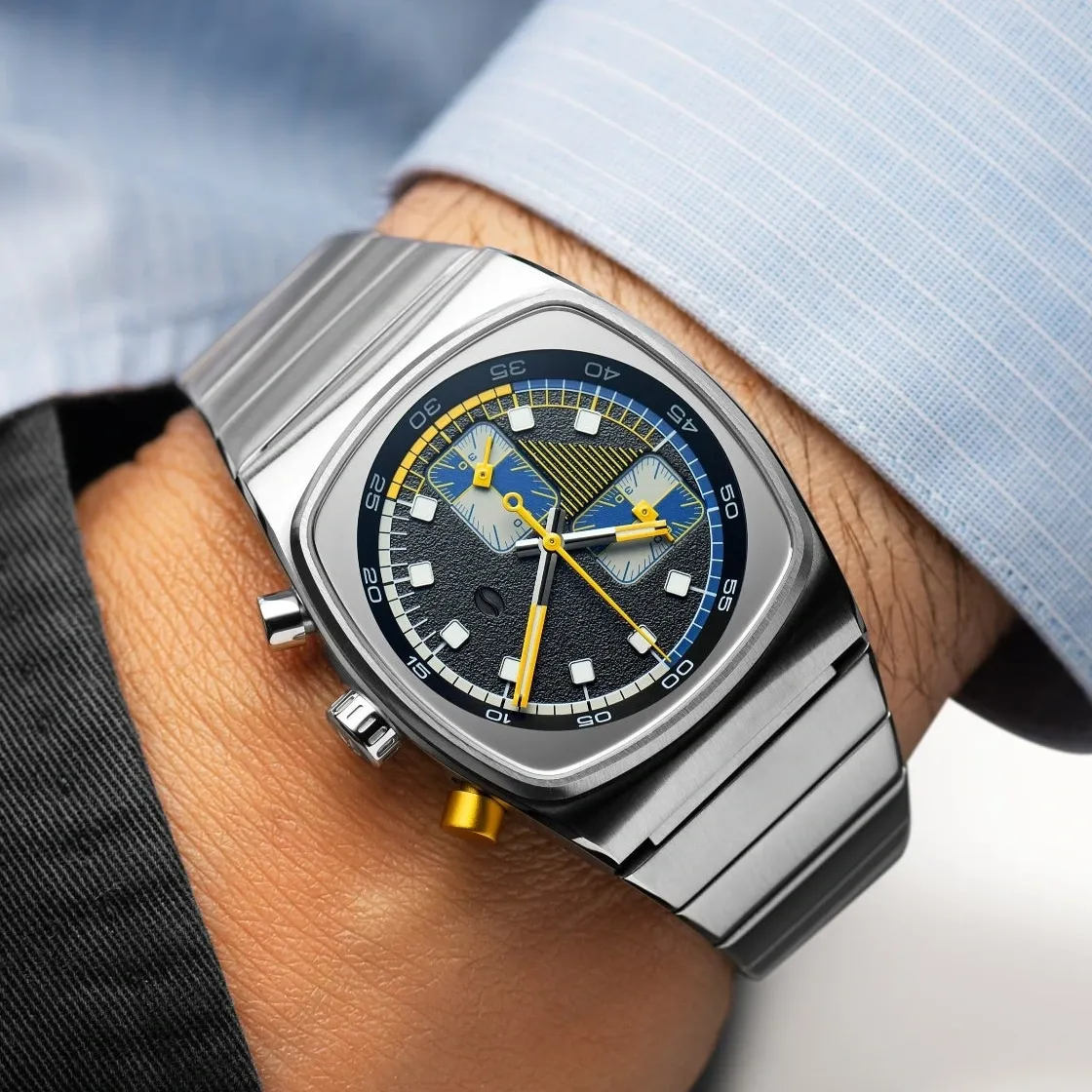
Jonathan Ferrer did not draw a coffee cup on a dial. He chose ten seconds and built Brew's recognisable watches around them.
Read the story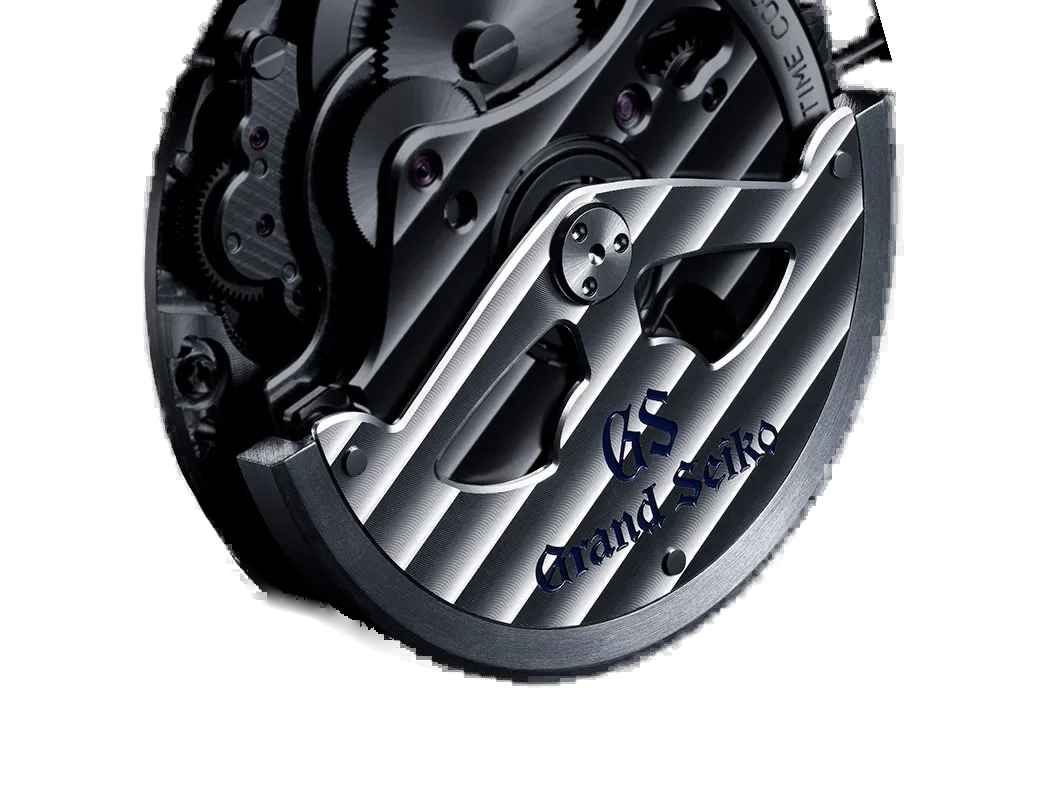
An automatic rotor does not generate energy. It collects motion from the wrist. Here is how that motion reaches the mainspring, and what happens when the watch is full.
Read the story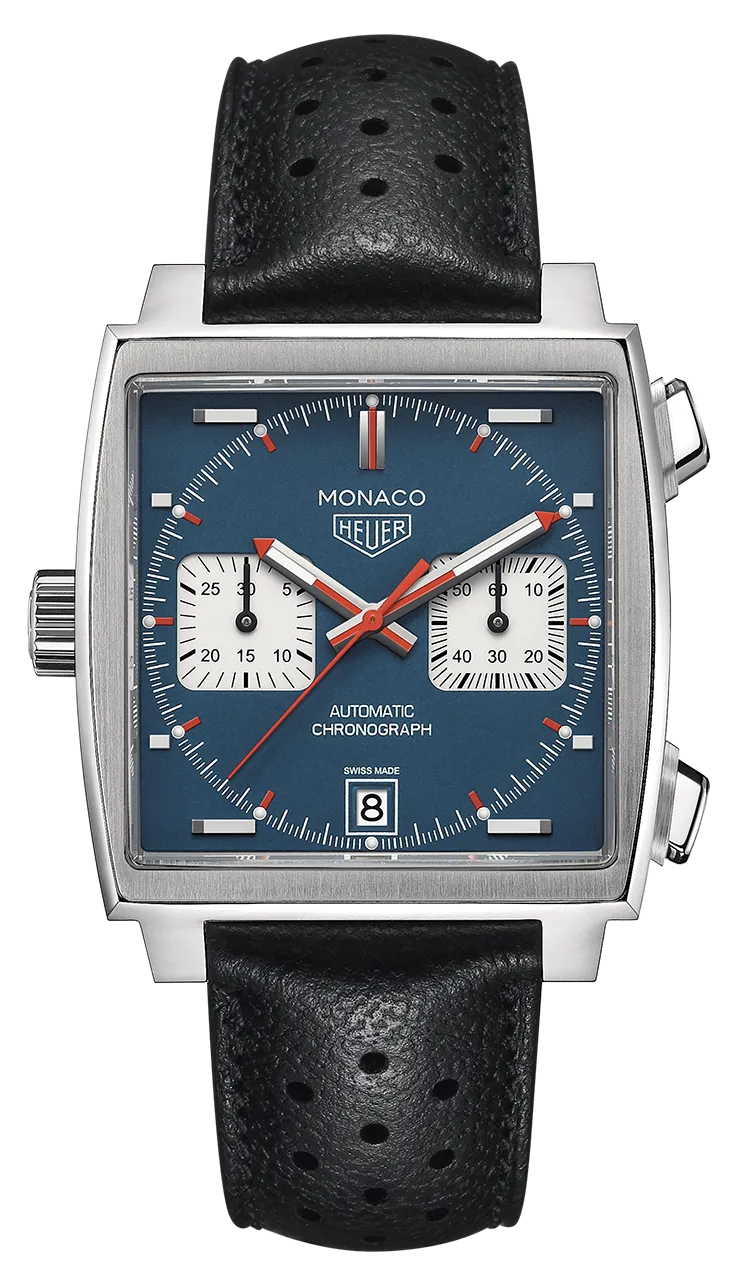
The Heuer Monaco arrived in 1969 with a water-resistant square case, an automatic chronograph and its crown on the left. It failed, disappeared, then returned as Steve McQueen’s watch.
Read the story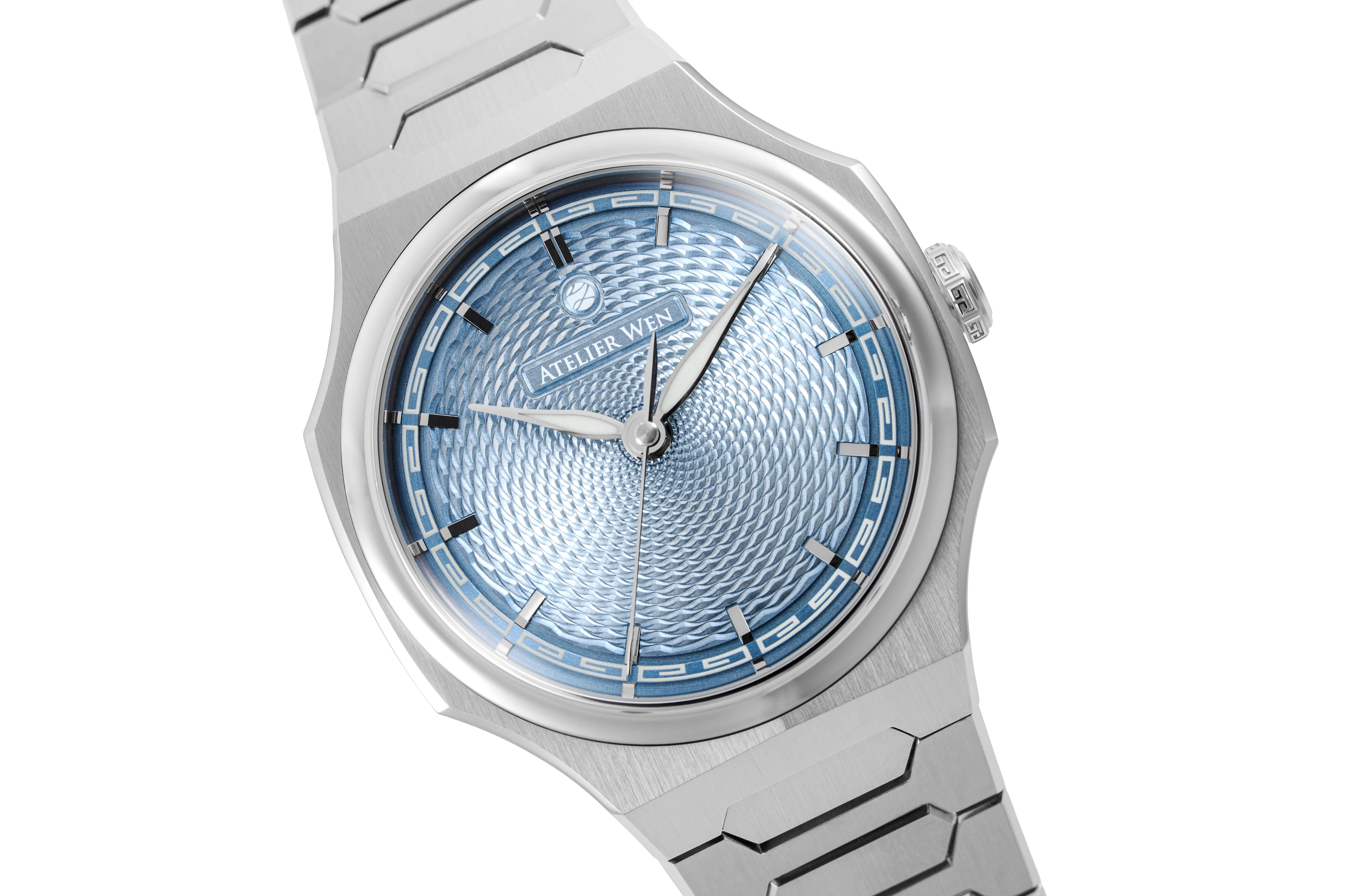
Two French founders, a guilloché workshop in Henan and a brand that refuses to hide where its watches are made. Atelier Wen is trying to prove that Made in China is not a verdict on quality.
Read the story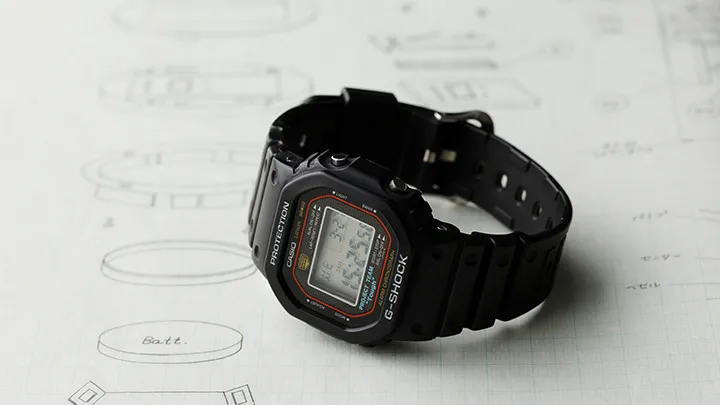
A G-Shock is not simply a quartz watch wrapped in thick plastic. Its case shape, hollow interior and cushioned module work together to redirect an impact.
Read the story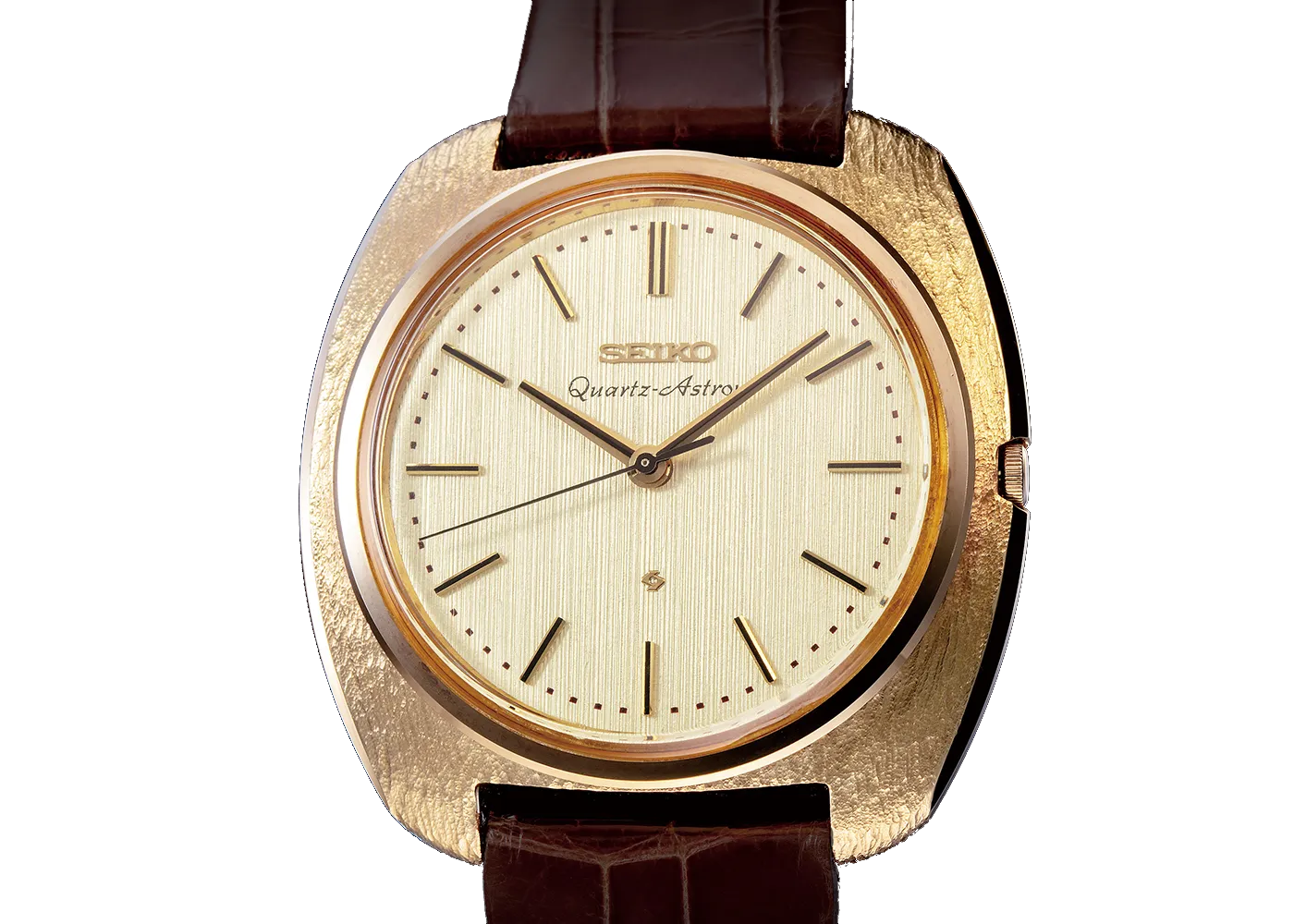
On Christmas Day 1969, Seiko released a gold watch that cost as much as a car. The Quartz Astron still changed the entire watch industry.
Read the story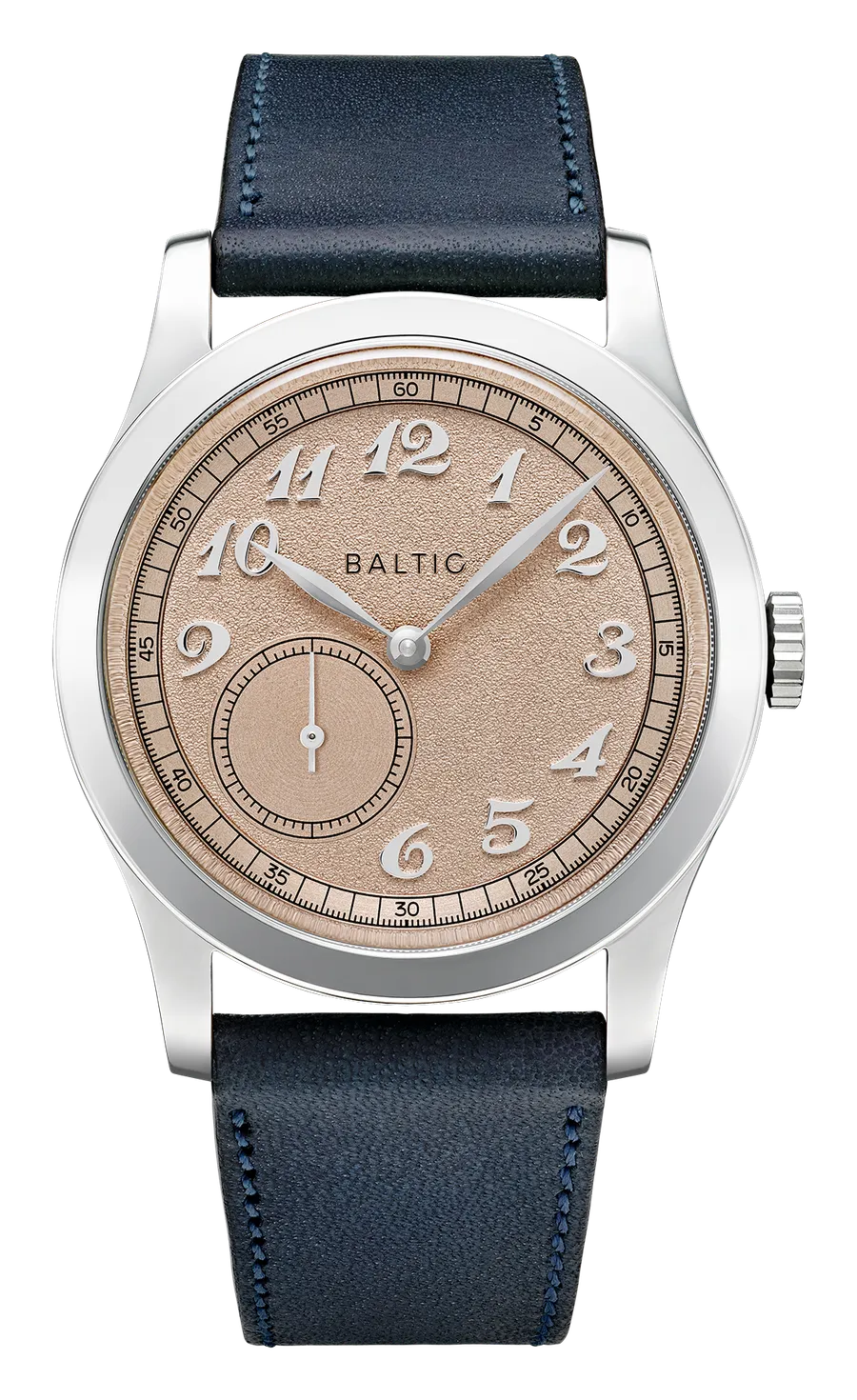
Etienne Malec lost his father when he was five. At sixteen he opened a suitcase filled with his watches, then turned that inheritance into one of France's best-known microbrands.
Read the story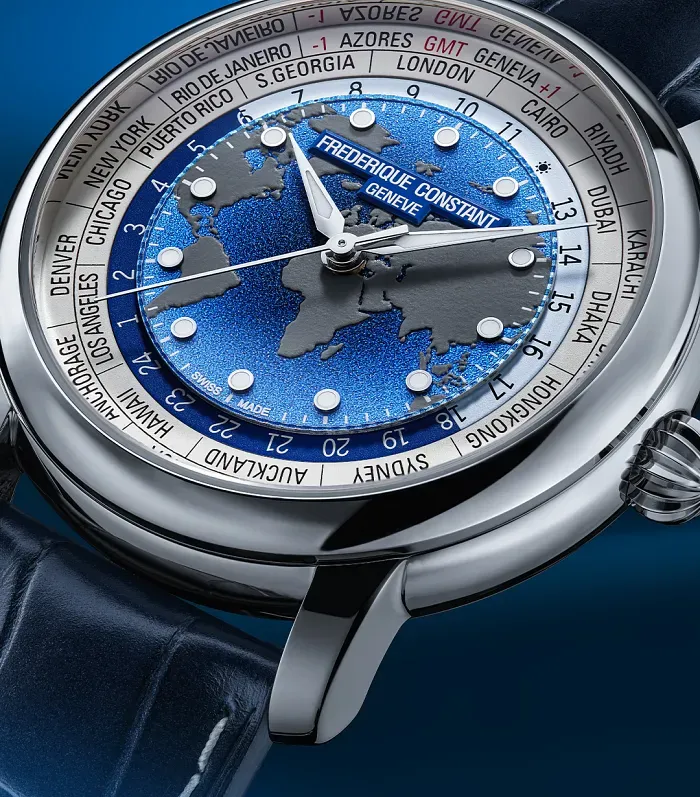
There was a time when every town kept its own hour. Then the trains arrived and order had to be imposed. And a Geneva watchmaker worked out how a single dial could show all twenty-four zones.
Read the story The Frederique Constant Worldtimer wins no spec race. What it carries instead is the stubbornness of a Dutch couple, and it handles the whole planet from a single crown.
Read the story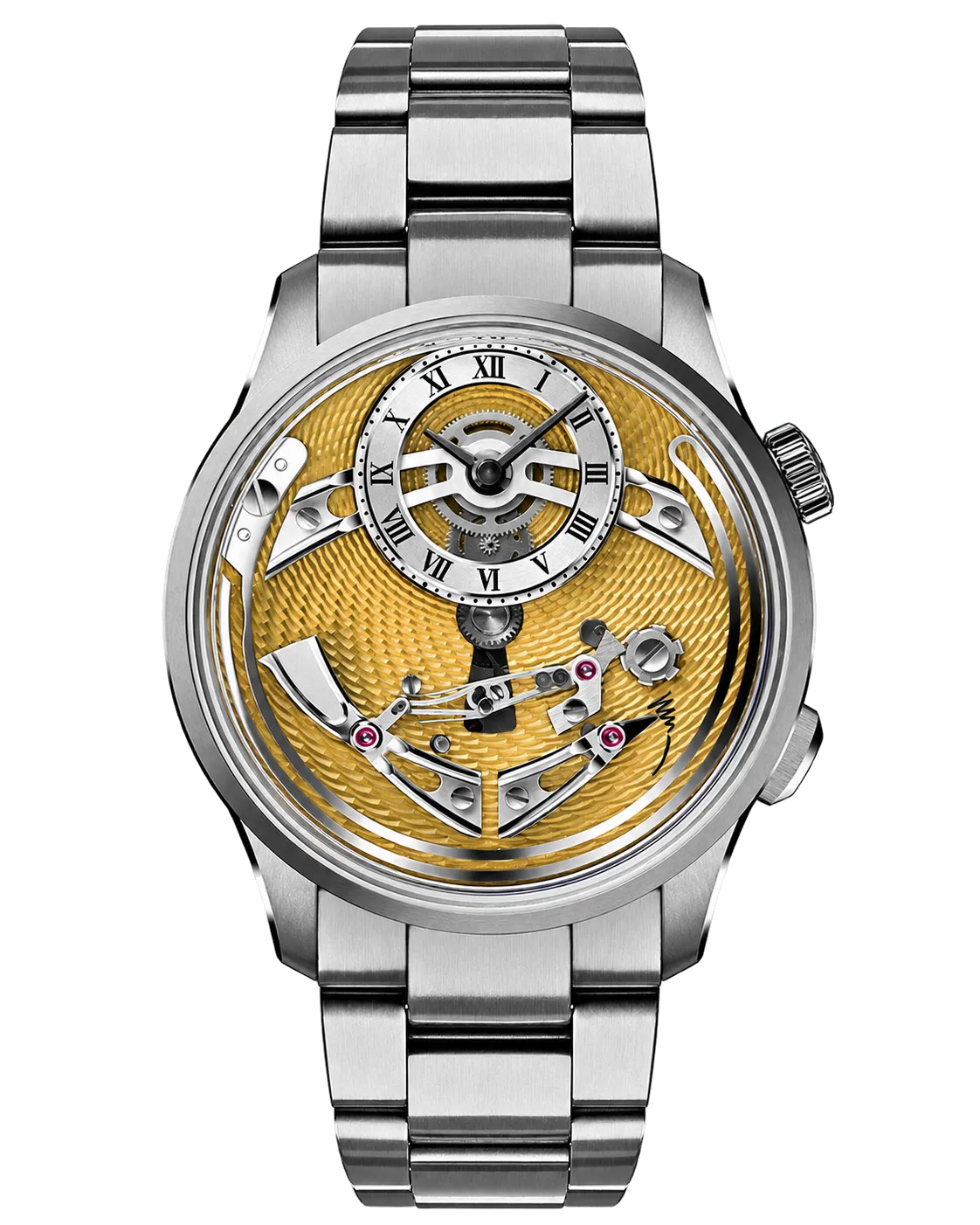
A boat trip on the Thames, a converted chicken shed, and twenty years later a watch that chimes on the hour. Christopher Ward has now outgrown the category it grew up in.
Read the story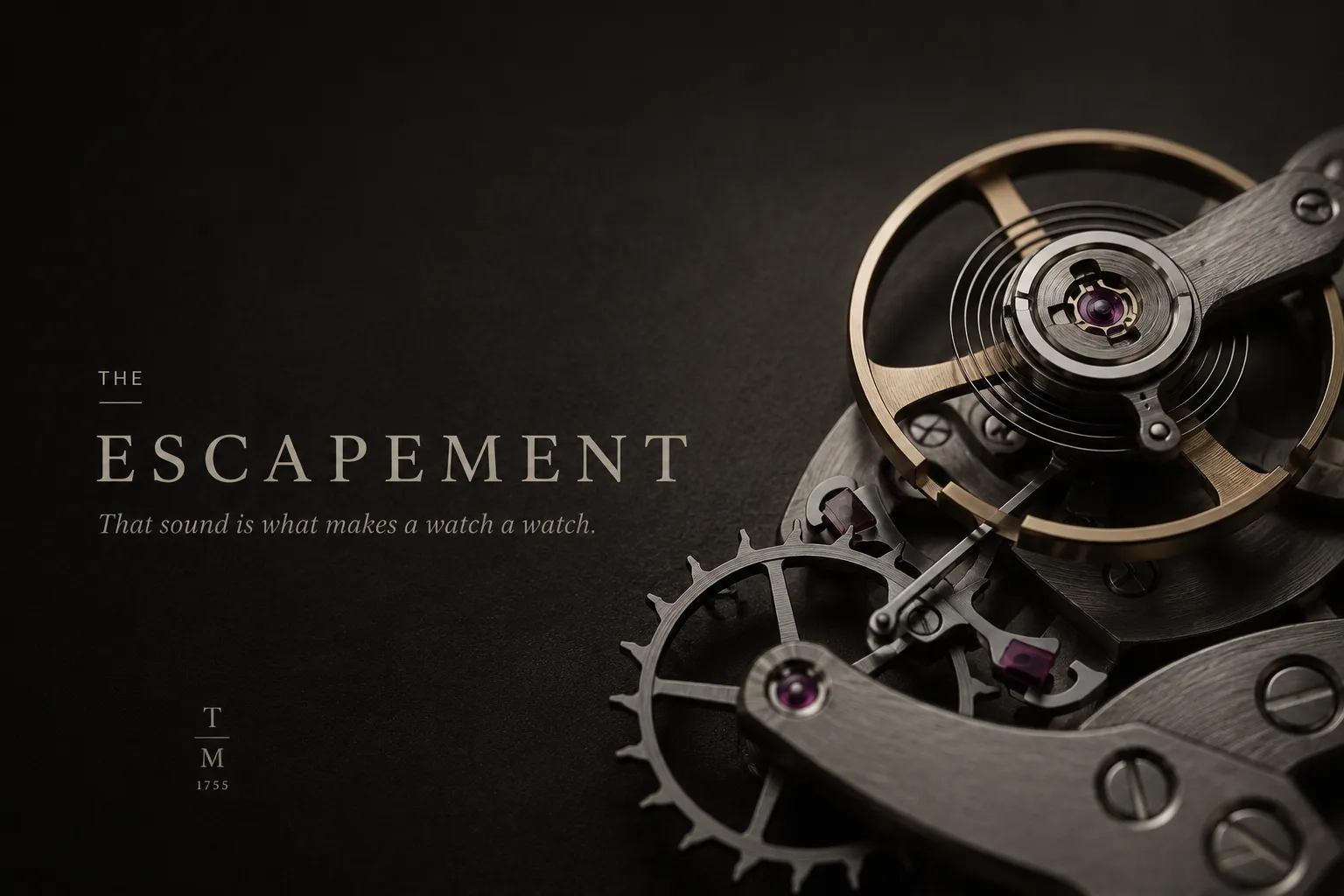
The real trick of a mechanical watch is not that it runs, but that it runs slowly. The whole job is done by a cluster of parts the size of a fingernail, saying yes and no eight times a second.
Read the story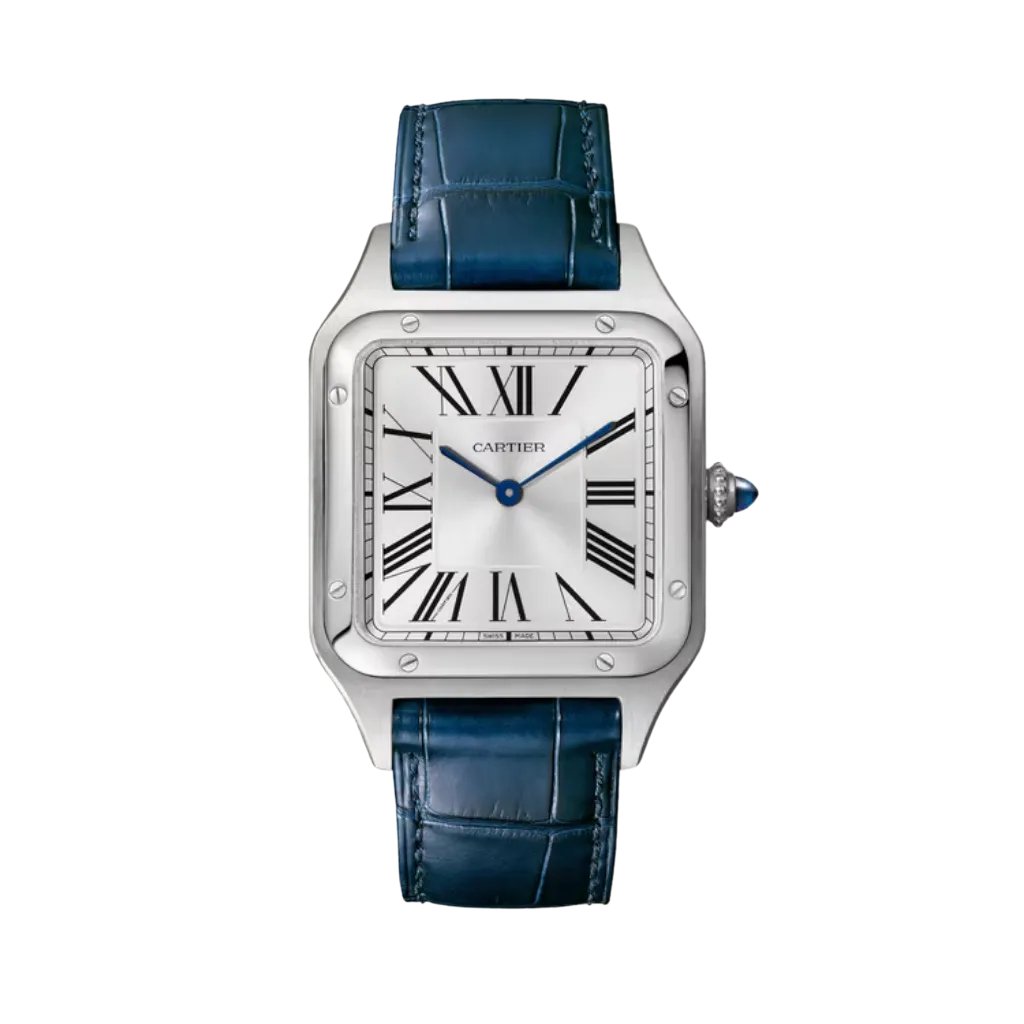
Alberto Santos-Dumont flew around the Eiffel Tower, built the world's first series-produced aeroplane, and patented none of it. Along the way he asked a friend to devise something that would let him keep both hands on the controls.
Read the story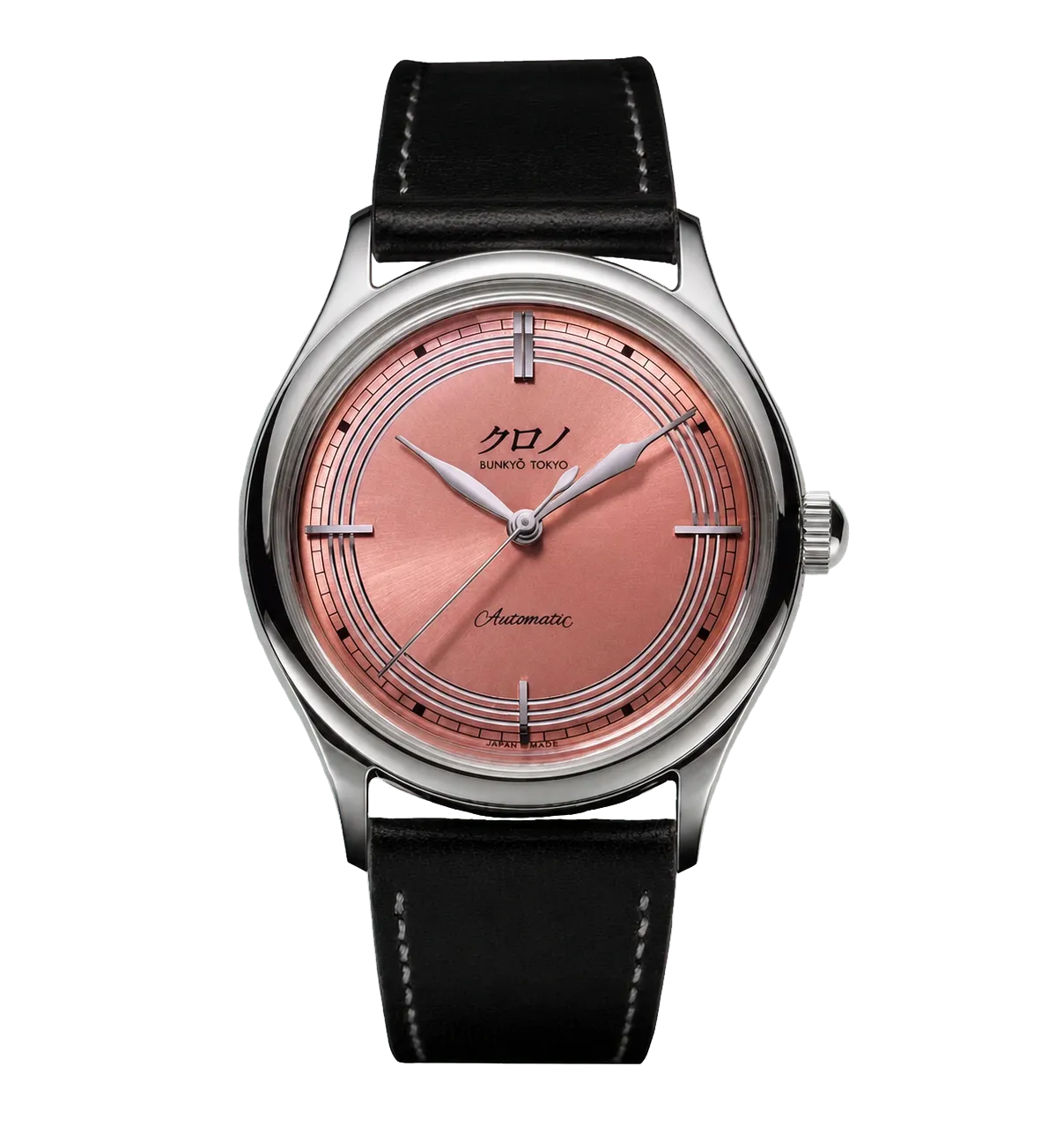
Hajime Asaoka taught himself watchmaking from a George Daniels book and built Japan's first tourbillon. Then he created a second brand so that his work would not be reserved for millionaires. This is Kurono Tokyo.
Read the story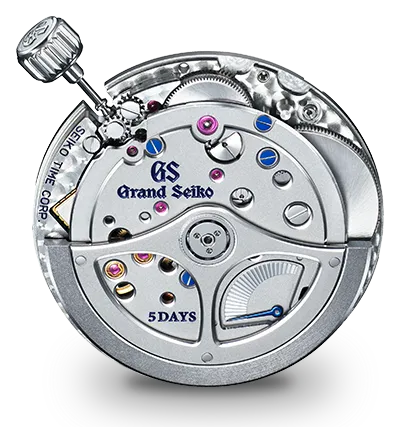
There is a watch with no battery, yet a quartz crystal inside. It has no escapement, yet a mainspring drives it, and its seconds hand glides perfectly. This is Spring Drive, and it took one engineer 28 years.
Read the story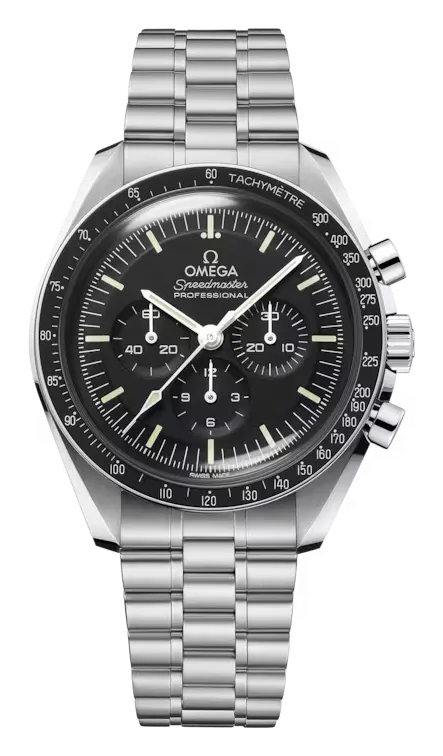
The most famous space watch was never made for space: in 1957 it was a racing chronograph. NASA did not commission it either, but chose it through brutal testing, and the first watch on the Moon was not even Armstrong's.
Read the story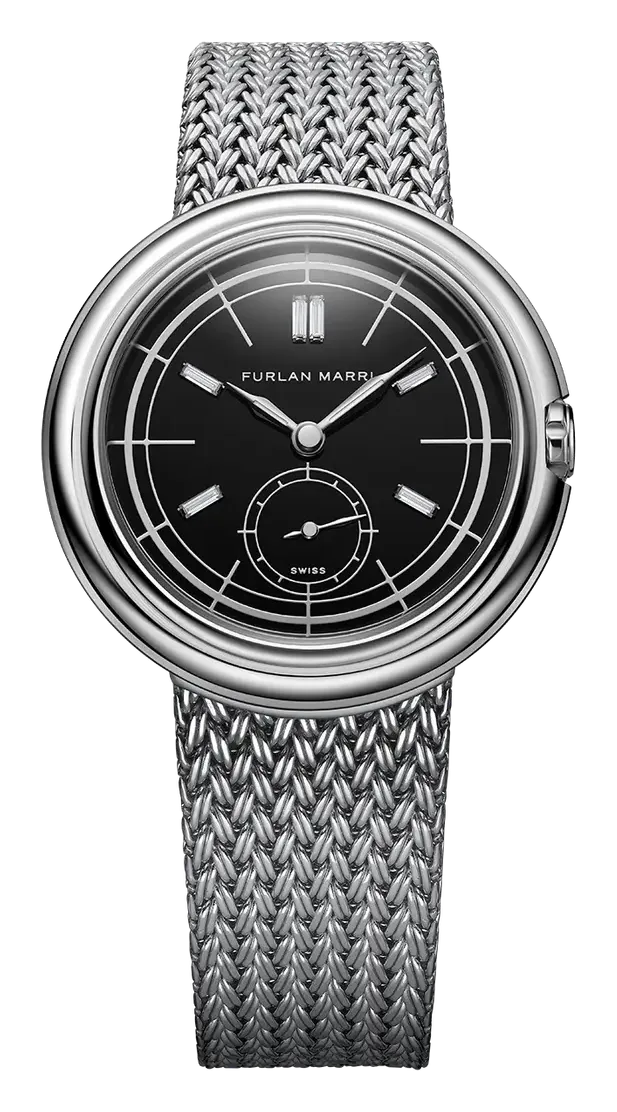
Two friends launched a brand during lockdown that filled its Kickstarter goal in 35 seconds. Four years later they are making a one-off watch in tantalum with a meteorite dial. This is the arc of Furlan Marri.
Read the story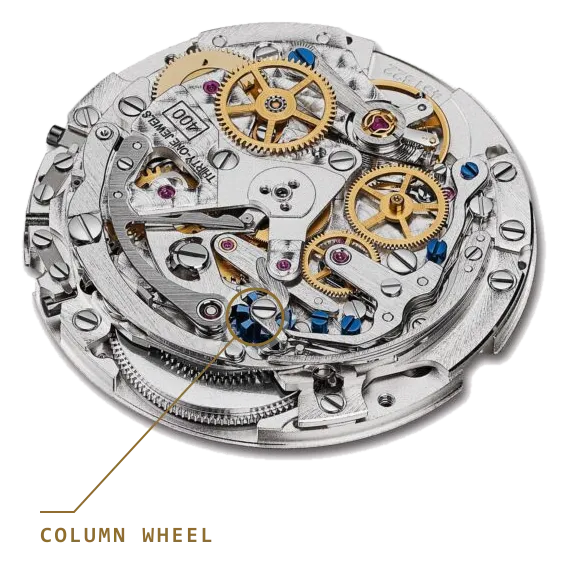
From the outside a chronograph is simple: press it, it runs; press it, it stops. Inside, though, something has to sequence all of that precisely. The finest solution is a tiny, turret-like wheel.
Read the story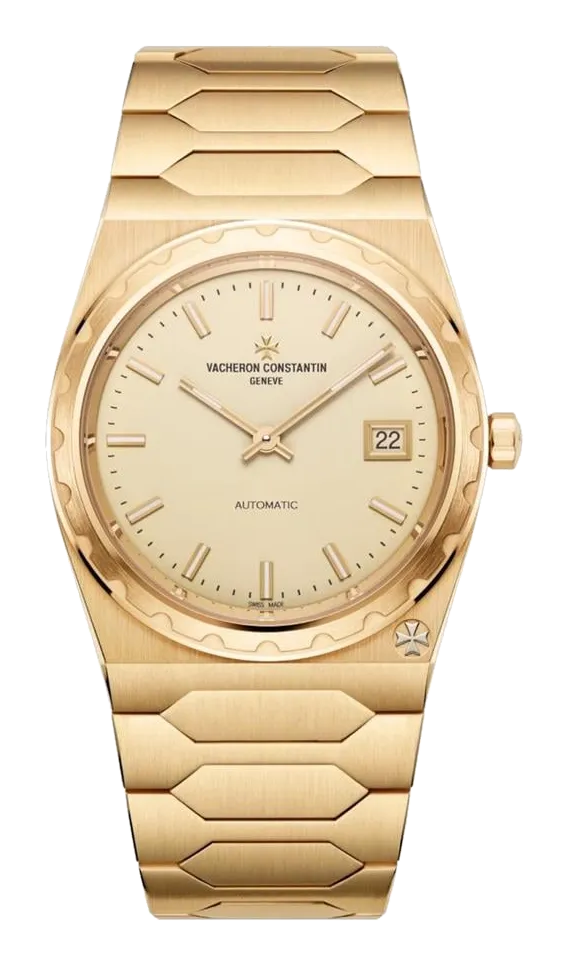
The 1970s wave of steel luxury sports watches produced three great names. The third, the Vacheron 222, is the least known, and its story is even more interesting than its name.
Read the story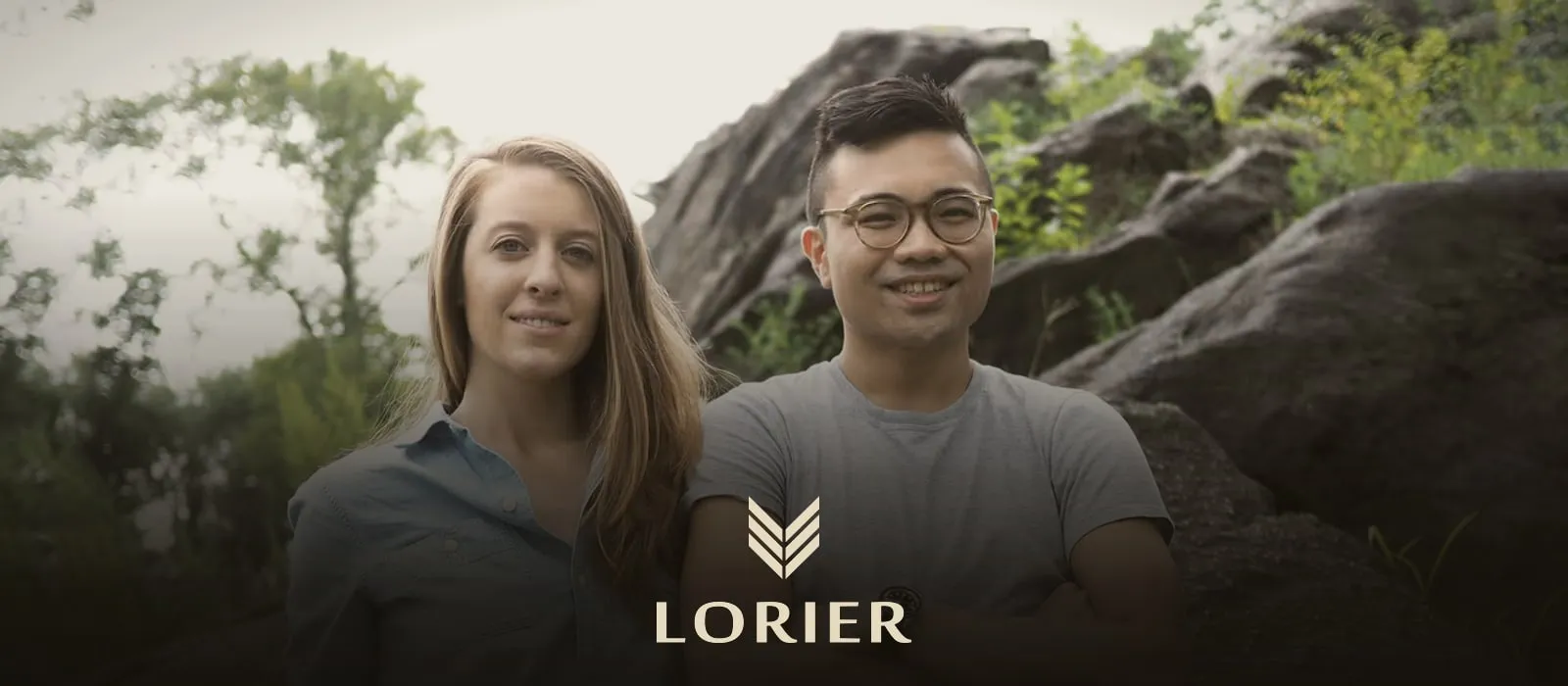
Lorier began as the passion project of two New York teachers. The first piece in Lume is about why anyone starts something of their own: a watch, or a journal like this one.
Read the storyTry another phrase, or explore every section.